
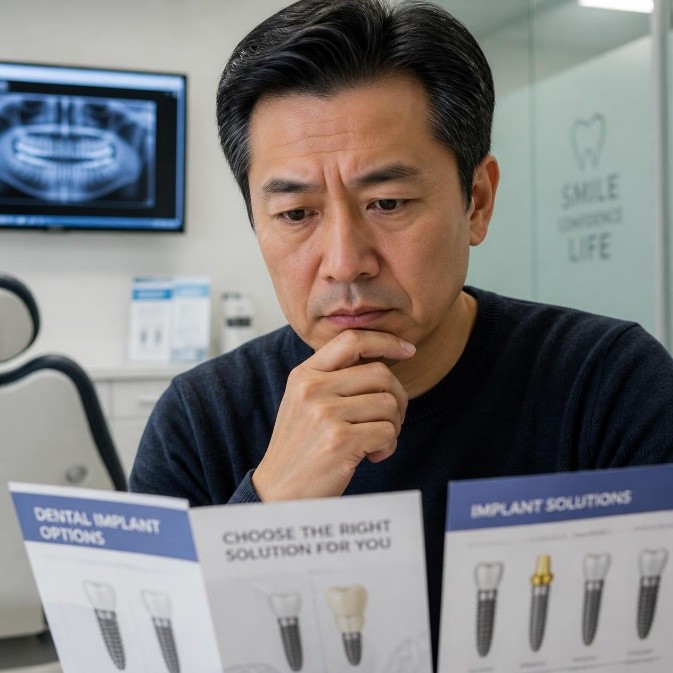
Dental implants are a life-changing investment in your health, confidence, and quality of life. As dental implants are surgically placed and integrate directly with the jawbone, their success depends on meticulous planning, precise execution, and the expertise of highly trained and experienced dentists.
Not all dental providers possess the same level of training and clinical experience in implant dentistry. Selecting the right dental provider is important, as inadequate planning or execution can result in complications, treatment failure, or costly revision procedures.
Some attributes to consider when selecting a dental implant provider:
1. Credentials and Specialised Training
Any licensed dentist may legally place a dental implant, but legal eligibility does not necessarily equate to specialised training, experience, or expertise in implant dentistry. General dental school covers the basics, but implantology requires years of rigorous post-graduate education.
- Look beyond the general degree: Check if the dentist has pursued advanced training specifically in implant dentistry such as master’s degrees, fellowships, or residencies.
- Check recognised Board certifications: Look for diplomate or fellow status with respected organisations such as dental specialist boards.
- Ask direct questions: Don’t hesitate to ask your dentist: “How many implants have you placed?”, and “Where did you receive your surgical training?”.
2. Clinical Experience and Track Record
Theoretical knowledge must be backed by practical (clinical) experiences. Ask about the dentist’s experiences on the procedure you need.
- Volume and consistency: Don’t hesitate to ask your dentist: “How many years of experience in performing implant surgeries?’, and “How many implant surgeries have they done?”.
- Before-and-after portfolios: Request to see a portfolio of real, long-term cases handled by the dentist—specifically cases similar to yours (for instance, single tooth replacement versus full-arch restorations).
- Success rate: Inquire about their clinical success rate and how they handle complications if an implant fails to integrate.
3. Technology and Diagnostic Capabilities
Advances in implant dentistry have significantly improved treatment planning, surgical accuracy, and patient outcomes. Choosing a dental provider that invests in modern technologies and evidence-based practices can help reduce risks and enhance treatment success.
- 3D Cone Beam Computed Tomography (CBCT): An advanced clinic will always use 3D imaging rather than the standard 2D X-rays. CBCT scans map your bone density, nerve pathways, and sinus cavities with millimetre precision.
- Computer-Guided Surgery: Look for clinics that use digital treatment planning and 3D-printed surgical guides. This technology ensures the implant is placed at the exact optimal angle and depth in minimizing surgical risks.
4. Red Flags and Marketing Traps
When researching on your preferred clinics, look out for warning signs that prioritise profit over patient care.
- “Too good to be true” pricing: Quality dental implant treatment involves proven implant systems, advanced technology, and experienced dentists. Be cautious of heavily discounted offers that may compromise on materials, planning, or long-term support.
- High pressure sales tactics: Avoid clinics that rush you into committing to treatment or making payments before a thorough consultation and clinical evaluation. Quality dental care should be based on informed consent, not sales pressure.
5. Comprehensive Multi-Disciplinary Approach
A successful dental implant involves two distinct phases: (1) the surgical placement (putting the fixture in the bone), and (2) the restorative phase (attaching the visible crown).
- Team collaboration: Dental implant treatment combines both surgical and restorative expertise. Clinics that adopt a multi-disciplinary approach can leverage the strengths of different dentists to deliver more predictable and comprehensive outcomes.
- Detailed treatment planning: Quality implant treatment begins with careful planning, not immediate surgery. A reputable dental provider will assess your medical history, oral health, and bone condition before presenting a clear, step-by-step treatment plan tailored to your unique anatomy and goals.
Consult Dontia Implants today!
